
Most people think a cavity always causes severe tooth pain, but that is not always the case. In fact, many cavities begin quietly, with only small changes that are easy to ignore. Recognizing these early warning signs allows treatment to happen before the damage becomes more extensive.
At Stillwater Dental, we believe patient education is one of the most important parts of maintaining lifelong oral health. Understanding the signs you need a dental filling can help you seek treatment early and often preserve more of your natural tooth.
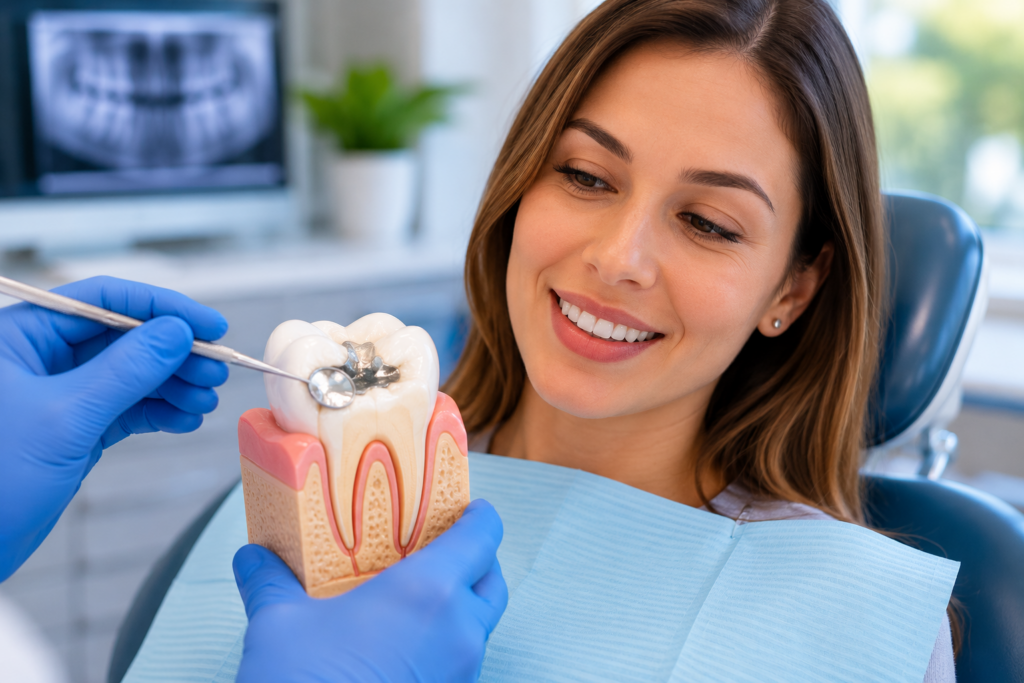
Cavities Do Not Always Hurt Right Away
One of the biggest misconceptions about cavities is that they immediately cause pain.
Tooth decay develops gradually. During its early stages, a cavity may only affect the outer layer of the tooth, meaning you may not notice any discomfort at all. As the decay progresses deeper, symptoms often become more noticeable.
This is one reason routine dental exams and cleanings are so important. Your dentist can often detect small cavities before they become painful or require more extensive treatment.
You Feel Sensitivity to Hot, Cold, or Sweet Foods
Occasional tooth sensitivity does not always mean you have a cavity, but it is one of the most common signs that something has changed.
If drinking cold water, enjoying hot coffee, or eating sweets suddenly causes discomfort in one specific tooth, the protective enamel may have become compromised. A cavity is one possible explanation, although other dental conditions can also cause sensitivity.
Because sensitivity has several possible causes, a professional evaluation is the best way to determine what is affecting your tooth.
You Notice a Dark Spot or Small Hole
Some cavities become visible before they become painful.
You may notice:
- A small brown, black, or white spot on a tooth.
- A tiny hole or pit.
- Roughness that was not there before.
- Food catching in the same place repeatedly.
Although these changes may seem minor, they can indicate that tooth decay has already begun. Early treatment with dental fillings can often restore the tooth while preserving healthy tooth structure.
Your Tooth Hurts When You Bite Down
Pain while chewing is another sign that should not be ignored.
Discomfort when biting may occur if decay has weakened the tooth or if an existing filling has become damaged. The pressure placed on the tooth during eating may make the problem more noticeable.
Because several conditions can cause biting discomfort, your dentist will evaluate the tooth carefully before recommending treatment.
Food Frequently Gets Stuck in the Same Area
If food consistently becomes trapped between the same teeth, it may be more than an inconvenience.
Changes in the shape of a tooth caused by decay can create small spaces where food collects more easily. This buildup may increase plaque accumulation and make brushing and flossing less effective.
Having the area evaluated early may prevent additional damage from developing.
You Have a Chipped Tooth
Not every chipped tooth requires a filling, but minor chips sometimes expose areas of the tooth that benefit from restoration.
Depending on the size and location of the damage, your dentist may recommend a filling, bonding, or another restorative treatment to protect the tooth and restore its natural shape.
Every recommendation is based on the condition of the tooth and your individual oral health needs.
When a Filling May Not Be Enough
Treating a cavity early often allows your dentist to repair the tooth with a filling. However, if decay progresses too far, more of the tooth’s structure may be affected.
In some situations, same-day crowns may be recommended when a tooth needs additional strength and protection. A crown covers the visible portion of the tooth and helps restore its function when a filling alone may no longer provide enough support.
The earlier a cavity is treated, the greater the opportunity to preserve healthy tooth structure with a more conservative restoration.
Why You Shouldn’t Wait
Even if a cavity is not causing pain today, it will not heal on its own.
As decay continues to spread, it may affect deeper layers of the tooth, increasing the likelihood that more extensive treatment will be needed. Seeking care when symptoms first appear often allows for simpler treatment and helps preserve more of your natural tooth.
Regular dental visits remain one of the best ways to detect problems before they become larger concerns.
What to Expect During Your Appointment
If you think you may need a filling, your visit begins with a comprehensive evaluation.
Your dentist will examine the affected tooth, discuss your symptoms, and determine whether decay or another condition is responsible. If treatment is recommended, your dentist will explain the findings and review the options that best fit your oral health needs.
At Stillwater Dental, we believe every patient deserves honest communication and personalized recommendations rather than a one-size-fits-all approach.
Helping Prevent Future Cavities
Although cavities are common, there are many ways to reduce your risk.
Healthy habits include:
- Brushing twice each day with fluoride toothpaste.
- Flossing daily.
- Limiting frequent sugary snacks and beverages.
- Drinking plenty of water throughout the day.
- Keeping regular dental exams and cleanings.
- Following your dentist’s personalized oral hygiene recommendations.
Children and adults alike benefit from preventive dental care that supports healthy smiles throughout life. Families can also establish lifelong oral health habits through routine children’s dentistry visits that emphasize education and prevention from an early age.
When Should You Call Your Dentist?
If you notice persistent tooth sensitivity, discomfort while chewing, visible changes to a tooth, or food repeatedly becoming trapped in the same area, it is a good idea to schedule an evaluation.
If you experience severe pain, significant swelling, or a damaged tooth after an accident, emergency dentistry may be appropriate to address urgent concerns.
Receiving care early often helps prevent small problems from becoming larger ones.
Conclusion
Many cavities begin with subtle symptoms that are easy to overlook. Recognizing the signs you need a dental filling and scheduling an evaluation promptly can help protect your natural teeth and reduce the likelihood of more extensive treatment later.
If you have noticed changes in your teeth or it has been a while since your last visit, contact us to schedule an appointment with the team at Stillwater Dental. We are proud to help individuals and families throughout the Bangor community maintain healthy, confident smiles through personalized, comprehensive dental care.
Frequently Asked Questions
How do I know if I need a dental filling or a crown?
Small areas of decay are often treated with a filling, while larger areas of damage may require a crown for additional protection. Your dentist will recommend the most appropriate treatment after examining the tooth.
Can a cavity go away without treatment?
No. Once a cavity has formed, it will not heal on its own. Early treatment helps preserve more of the natural tooth and may reduce the need for more extensive restorations.
Does every tooth sensitivity mean I have a cavity?
Not necessarily. Tooth sensitivity can have several causes, including worn enamel, gum recession, or a cracked tooth. A dental evaluation can determine the underlying cause.
What happens if I ignore a small cavity?
Untreated decay can continue to progress, potentially affecting deeper portions of the tooth. Seeking treatment early often allows for more conservative care.
How often should I have my teeth checked for cavities?
Most patients benefit from regular dental exams and cleanings, allowing your dentist to monitor oral health and detect cavities before they become larger problems. Your dentist may recommend a schedule based on your individual needs.